 TradeWinGuide
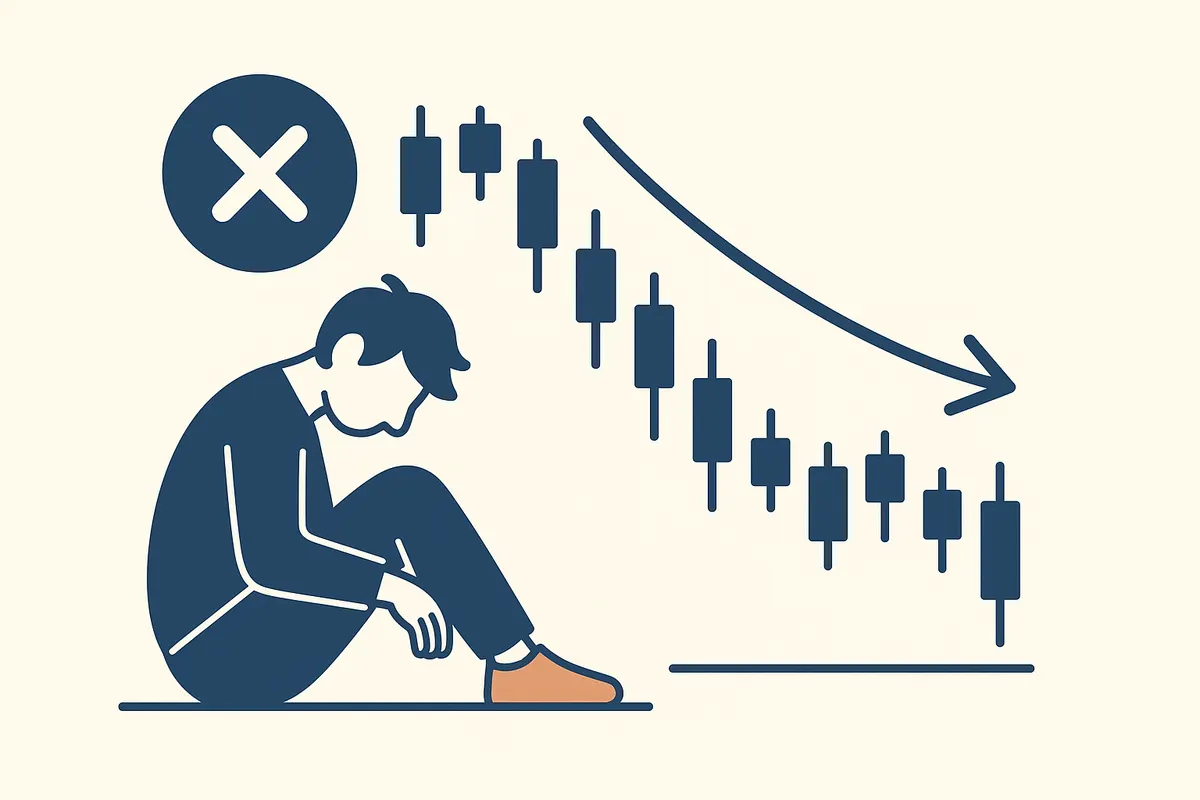
You already know discipline separates a real strategy from random clicking. What most traders miss is that “breaking rules” isn’t a character flaw—it’s a predictable reaction to fast outcomes and emotional triggers. In this guide on Why Binary Traders Lose Discipline, you’ll learn the exact causes—and a simple system to prevent overtrading, impulsive entries, and revenge trades.
Key Takeaways (Save This)
Binary trading discipline is the consistent execution of your plan regardless of wins, losses, or mood.
Overtrading is often driven by variable rewards, short expiries, and vague entry criteria.
Risk limits reduce emotional volatility by capping damage during impulsive spirals.
Pre-trade checklists block low-quality setups with objective yes/no criteria.
Trading journals improve discipline fastest by tracking rule-following, not just P&L.
Session structure (time blocks, trade caps, cooldowns) prevents revenge trading after losses.
What is Binary Trading Discipline?
Binary trading discipline is the ability to follow a predefined entry, risk, and session plan consistently, regardless of short-term outcomes.
Next, think of discipline as process loyalty, not “being calm.” For example, you can feel anxious and still skip a trade because your checklist says “no.”
Additionally, discipline is different from willpower because willpower fades under stress. For example, after two losses in a row, your brain wants quick relief—so you “just take one more” without a setup.
Why Binary Trading Discipline Matters
Binary trading discipline matters because it protects your bankroll, stabilizes decision quality, and makes results repeatable.
Next, binary options magnify small mistakes because outcomes are fast and binary (win/lose). For example, one revenge streak can erase a week of steady gains.
Additionally, discipline keeps you in the game long enough to learn. For example, if you cap your day at -3% and stop, you avoid the meltdown that turns a small red day into a blown account.
Moreover, trading platforms are designed for speed. For example, one-tap re-entry and “double up” buttons reduce friction, which increases impulsive decisions.
Statistic: About 80% of retail CFD accounts lose money — Source: ESMA, 2023 (risk warnings across EU-regulated brokers).
Statistic: Mobile design patterns can increase impulse actions significantly — Source: Nielsen Norman Group, 2023 (behavioral UX findings).
The 7 Most Common Reasons Binary Traders Lose Discipline
The most common reasons binary traders lose discipline are emotional triggers amplified by fast feedback, unclear rules, and weak risk controls.
Next, each reason below includes a practical fix you can apply today.
1) Variable Rewards Create “One More Trade” Addiction
Variable rewards are unpredictable payoffs that train your brain to chase the next hit.
Next, binary options behave like a variable-reward machine because wins arrive inconsistently. For example, you might win 3 of 4 trades, then lose 5 straight, which tempts you to “force balance.”
Additionally, short expiries intensify this cycle. For example, a 1-minute loss feels immediately “repairable,” so you re-enter without evidence.
Statistic: Variable-ratio reward schedules are among the strongest drivers of repeated behavior — Source: APA Dictionary of Psychology, 2024 (behavioral learning reference).
2) Short Expiries Compress Decision Time (and Self-Control)
Short expiries reduce decision time, which increases reliance on impulses and mental shortcuts.
Next, the less time you have, the more you trade feelings. For example, you see a candle spike and enter late because “it’s moving,” not because your level held.
Moreover, fast outcomes create rapid emotional swings. For example, you can go from confident to angry in 90 seconds, which destroys rule adherence.
3) Unclear Entry Criteria: Invite “Interpretation Trading.”
Unclear entry criteria are rules that can be bent without you noticing.
Next, “trade the trend” is not a rule. For example, if you don’t define trend by structure or moving average alignment, you’ll rationalize any chart.
Additionally, beginners often stack indicators to feel certain. For example, you add RSI, MACD, and Bollinger Bands, then override them when price moves fast.
4) Loss Aversion Turns Losses Into Emergencies
Loss aversion is the tendency to feel losses more strongly than equal gains.
Next, a small loss can feel like a threat to your identity. For example, you think “I’m not good at this,” then you trade to prove you are.
Moreover, binary payouts can worsen it. For example, when payouts are below 100%, you may feel pressured to “make it back faster,” which pushes risk-taking.
Statistic: Losses typically feel about twice as psychologically powerful as gains — Source: Kahneman & Tversky (Prospect Theory), widely cited; summarized by Nobel Prize resources, 2024
5) Platform Mechanics Encourage Overtrading by Design
Platform mechanics are UX features that lower friction and increase trade frequency.
Next, “quick trade,” push alerts, and streak badges can nudge you to act. For example, after a win, the platform highlights “trade again,” and you do it without a setup.
Additionally, deposits and bonuses can distort risk perception. For example, “bonus funds” feel less real, so you size up.
6) Emotional Fatigue Breaks Your Rules Late in the Session
Emotional fatigue is reduced self-control after repeated decisions and stress.
Next, trading is decision-heavy. For example, after 40 minutes of chart scanning, you start entering “good enough” setups.
Moreover, fatigue often hides as boredom. For example, you stop waiting for A+ conditions because silence feels like failure.
7) No Feedback Loop Between Rule-Following and Outcomes
A missing feedback loop is when you only track profit, not execution quality.
Next, profit alone teaches the wrong lesson. For example, you break your rules and win, so your brain rewards rule-breaking.
Additionally, you need execution metrics to train discipline. For example, tracking “checklist followed = yes/no” quickly exposes your real edge.
Emotional Trading Mistakes in Binary Options (and How to Interrupt Them)
Emotional trading mistakes in binary options are impulsive actions—like tilt, revenge trading, FOMO, and overconfidence—that bypass your plan.
Next, the goal is not to “never feel.” The goal is to interrupt the loop before you click.

Post-Loss Tilt (Anger + Urgency)
Post-loss tilt is a state where frustration narrows attention and speeds up decisions.
Next, tilt makes you seek immediate relief. For example, you take the next signal without checking trend context or key levels.
Additionally, you can interrupt tilt with a forced pause. For example, set a rule: after any loss, stand up and do a 90-second reset before the next chart decision.
Interrupt Script (use verbatim):
“I’m not fixing the loss; I’m executing the plan.”
“Next trade must qualify, or I stop.”
Revenge Trading (Trying to “Win It Back”)
Revenge trading involves increasing frequency or risk after a loss in an attempt to ‘win it back,’ which typically reduces decision quality and increases variance.
Next, revenge trading usually starts with a size increase or faster entries. For example, you double stake on a mediocre setup because you “can’t end red.”
Additionally, the fastest interruption is a hard stop. For example, if you hit your daily loss limit, the session ends—no exceptions.
Daily loss limits work by stopping the feedback loop between stress and impulsive decision-making; once the limit is hit, the session ends by rule.
FOMO (Chasing Movement)
FOMO trading is entering because price is moving, not because your criteria are met.
Next, FOMO is worst around news spikes and breakouts. For example, you buy the top of a green candle right before a pullback.
Additionally, you can replace FOMO with a “missed trade” rule. For example, if you miss the entry, you must wait for the next full setup—no late entries.
Overconfidence After a Win Streak
Overconfidence is inflated certainty after recent wins, leading to rule-bending and oversizing.
Next, wins can be more dangerous than losses. For example, after four wins, you stop checking levels because “you’re in sync.”
Additionally, you can cap upside risk with a win-limit rule. For example, after +3R or 3 wins, you switch to review-only mode for 10 minutes.
Statistic: Problem gambling severity correlates with chasing losses and impulsivity — Source: UK Gambling Commission, 2023 (behavioral risk findings relevant to fast-feedback products).
Statistic: Sleep restriction measurably impairs cognitive control and increases risk-taking — Source: NIH / National Library of Medicine reviews, 2022–2024.
How to Stop Overtrading in Binary Options
Stopping overtrading in binary options requires hard limits, session structure, and trade-qualification rules that remove in-the-moment negotiation.
Next, you’re not trying to “be strong.” You’re trying to make rule-breaking inconvenient.
Use Hard Limits (Non-Negotiable Guardrails)
Hard limits are pre-set rules that automatically restrict damage from impulsive trading.
Next, start with three limits you can follow. For example:
Trade cap: max 5 trades per session
Daily loss limit: -2% to -3% of bankroll
Cooldown: 10 minutes after 2 consecutive losses
Additionally, tie limits to platform controls. For example, set account-level alerts and use a phone timer to enforce cooldowns.
Structure Your Session (Start–Middle–End)
Session structure is a routine that tells you when to trade, when to wait, and when to stop.
Next, unstructured time invites boredom trades. For example, if you “hang around charts,” you’ll eventually force something.
Additionally, use time blocks. For example:
10 minutes: mark levels and trend
30 minutes: trade window
10 minutes: journal + screenshot review
Add “Trade Qualification” Rules (A+ or No Trade)
Trade qualification rules are objective criteria that must be true before you enter.
Next, the goal is a binary decision: qualified or not. For example, require:
Trend context agrees (higher highs/lows or MA alignment)
Entry at a pre-marked level (support/resistance)
Clear trigger candle (not mid-candle)
Expiry matches the setup (not random)
Additionally, keep criteria simple enough to execute live. For example, if you need 9 conditions, you’ll ignore them under stress.
A Step-by-Step Discipline System (The “CALM Execution Loop”)
A discipline system is a repeatable routine that standardizes your decisions before, during, and after each session.
Next, use this CALM Execution Loop to make discipline automatic.
Step 1: Commit to One Simple Plan
A binary options trading plan is a written set of entry rules, risk limits, and session rules you follow exactly.
Next, one plan beats five half-plans. For example, trade only one market, one time window, and one setup for two weeks.
Step 2: Run a Pre-Trade Checklist (Before Every Click)
A pre-trade checklist involves confirming objective setup criteria (trend context, level, timing, and invalidation) before placing any trade.
Next, checklists remove debate. For example, you answer yes/no and either enter or stand down.
Mini Checklist (fast version):
Context: Is the trend direction clear on a higher timeframe? (Yes/No)
Level: Is the price at a marked level (S/R)? (Yes/No)
Trigger: Do I have a defined entry signal? (Yes/No)
Timing: Is this within my session window? (Yes/No)
Risk: Does this keep me under the daily loss limit? (Yes/No)
Additionally, treat one “No” as a full stop. For example, if timing is wrong, you skip—even if everything else is perfect.
Step 3: Set a Risk Plan You Can Actually Follow
A binary options risk plan is a fixed set of limits for stake sizing, daily losses, and maximum trades.
Next, consistency beats precision. For example, use a fixed stake of 1% per trade and never increase it mid-session.
Additionally, define your “shutdown sequence.” For example, if you hit -3%, you close charts, log the day, and do a non-trading activity.
Step 4: Journal Execution, Not Just Money
A trading journal for discipline is a record that links rule-following to outcomes so you learn what behavior produces results.
Next, track metrics that punish “lucky rule-breaking.” For example, record:
Checklist followed (Y/N)
Setup type
Time of day
Emotion rating (1–5)
Screenshot before/after
Notes on rule violations
Additionally, review weekly patterns. For example, you may learn your worst trades happen after 9:30 pm or after two wins.

Step 5: Create a Review Loop (Weekly)
A review loop is a scheduled analysis that converts journal data into one improvement for next week.
Next, discipline improves fastest with one focus at a time. For example, choose “no late entries” as the only rule you optimize this week.
Additionally, grade yourself on execution. For example, aim for 90% checklist compliance, even if P&L is flat.
Tools & Practical Templates (With Image Suggestions)
Discipline tools are checklists, trackers, alerts, and blockers that reduce impulsive trading and reinforce your rules.
Next, use a mix of free tools and broker/platform features.
1) Rules Sheet (One-Page PDF or Note)
A rules sheet is a single page that states your entry criteria, limits, and stop rules.
Next, keep it visible during trading. For example, pin it beside your monitor: “5 trades max, -3% stop, cooldown after 2 losses.”
Free tool options: Google Docs, Notion, Apple Notes.
2) Trade Journal + Metrics Dashboard
A metrics journal is a spreadsheet that calculates rule adherence, streaks, and performance by setup.
Next, use simple columns and auto-count rule breaks. For example, add a “Rule Broken?” dropdown and count it weekly.
Free tool options: Google Sheets, Airtable (free tier).
Third-party journaling tools: TradesViz, TraderSync (if compatible with your workflow).
3) Habit Tracker (For Process, Not Profits)
A habit tracker is a daily checkbox system that rewards you for executing routines.
Next, track “Did I follow the session plan?” not “Did I win?” For example, check off: pre-trade checklist, cooldown used, journal completed.
Free tool options: HabitBull (basic), Notion templates, paper calendar.
4) Timers, Alerts, and Friction
Friction tools are reminders and blocks that slow you down before a trade.
Next, add delays that protect you from impulse. For example, set a repeating 10-minute timer to force review breaks.
Free tool options: iOS/Android timers, Google Calendar alerts.
Optional blockers: website/app blockers during cooldown windows.
What’s Next: A 7-Day Discipline Reset Plan
A 7-day discipline reset plan is a short, structured reboot that rebuilds rule-following before you scale activity again.
Next, treat it like rehab for your process.
Day 1: Cut Inputs
Input control is reducing markets, timeframes, and strategies to lower decision load.
Next, pick one asset and one session window. For example, trade only EUR/USD from 9:00–10:00.
Day 2: Write the Rules Sheet
Rule writing is turning intentions into non-negotiable constraints.
Next, include trade cap, daily loss limit, and setup definition. For example, “Only level + trigger candle trades.”
Day 3: Checklist Only (No Exceptions)
Checklist-only trading is entering only when every checkbox is yes.
Next, expect fewer trades. For example, you might take only 1–2 trades, and that is a win.
Day 4: Add Cooldowns
Cooldown enforcement is a forced pause after emotional events like losses or streaks.
Next, set: 10 minutes after any loss. For example, you leave the desk and reset.
Day 5: Journal With Screenshots
Screenshot journaling is capturing context so you can audit your decisions objectively.
Next, save “before” and “after” images. For example, you’ll see late entries instantly.
Day 6: Review for One Leak
Leak review is identifying the single biggest discipline break in your data.
Next, pick one fix. For example, “No trades outside the first 30 minutes.”
Day 7: Simulate Pressure
Pressure simulation is practicing rules under mild stress to make them durable.
Next, reduce size and keep rules strict. For example, trade minimum stake and focus on 100% checklist compliance.
Additionally, if you’re coming off a rough streak, rebuild slowly. For example, stay on minimum size until you log 30 checklist-perfect trades.
Conclusion
Binary trading discipline is consistent execution of your plan, even when your emotions demand action.
Next, if you remember one thing, make it this: your job is not to “win back” losses—it’s to protect your decision quality with limits, checklists, and structure.
Additionally, start small and stay consistent. For example, apply a trade cap and a daily loss limit today, then layer in journaling tomorrow.
Diagnose Your #1 Trading Mistake — Free
Answer 10 diagnostic questions and instantly find out which trading mistake is costing you the most — with a personalised 3-page correction plan PDF.
- Identifies your primary trading mistake
- Personalised 4-step correction plan
- 3-page PDF emailed to you free
What you'll discover:
-
Revenge Trading
Are you chasing losses?
-
Overtrading
Too many trades per day?
-
Emotional Trading
Feelings overriding logic?
Free. No sign-up required. PDF sent to your email.