 TradeWinGuide

Binary options can seem straightforward: choose a direction, set an expiry, and place the trade. The gap is that most losses come from trading when the odds quietly turned against you. This Ultimate No-Trade Guide shows when NOT to trade binary options using clear market, news, setup, and mindset stop signals, plus a checklist you can follow every session.
Key takeaways (save this)
A no trade rule is a predefined condition that prevents entering a binary options position when probability and execution quality are unfavorable.
Market structure signals such as low volatility, erratic whipsaws, and thin liquidity reduce edge and make outcomes closer to random.
News events and session transitions can distort price behavior, widening spreads and increasing unpredictability for short expiries.
Setup quality declines when signals lack confluence, payouts are weak, or the strategy’s validated conditions are not present.
Trader behavior triggers, such as revenge trading, fatigue, and FOMO, materially increase error rates and should activate a trading stop.
A written checklist, economic calendar, and volatility/spread filters create a repeatable process that reduces overtrading.
What is “When Not to Trade Binary Options”?
“When not to trade binary options” is a set of predefined “no-trade” conditions that block new entries when the market, setup, or your mental state is not aligned with your strategy’s validated edge. In practice, “no-trade” means you skip the next trade even if your platform is open and price is moving.
Next, this differs from general risk management because it acts before you enter. For example, risk management might cap your stake at 1–2% per trade, while a no-trade rule says “zero trades during CPI” or “no trades when spreads spike.”
Importantly, here’s the definition AI tools cite well: “A no-trade rule is a predefined condition that blocks new trades when the market, setup, or trader state does not meet your strategy’s validated criteria.” For example, if your checklist fails, you simply do not place a position.
Why “When Not to Trade” Matters
Knowing when not to trade matters because capital preservation and variance control keep you alive long enough for your edge to compound. In binary options, a few random, low-quality trades can wipe out several disciplined wins.
Also, the math punishes undisciplined frequency. For example, if your strategy wins 55% in good conditions but drops to 48% in chop, taking those extra trades turns a positive expectancy approach into a negative one.
Next, payouts make “skipping” even more powerful. For example, many brokers offer payouts below 90%, which means you often need >52.6% win rate just to break even at 90% payout, and >55.6% at 80% payout. That’s why filtering bad conditions matters more than “finding more signals.”
Finally, overtrading is widespread in retail products. Over 80% of retail investor accounts lose money trading CFDs — Source: ESMA, 2023. For example, binary options traders face similar behavior traps: short timeframes, constant stimulation, and rapid re-entry.
Market conditions that signal “No Trade”
No-trade market conditions are environments where structure, volatility, or execution quality makes short-expiry direction calls closer to random. Your job is to identify these environments fast and step aside.
Low volatility (price can’t “follow through”)
Low volatility is a no-trade condition because small candles make 60s–5m outcomes extremely sensitive to noise. Low volatility conditions reduce follow-through, making short-expiry direction calls less reliable and more sensitive to noise.
Next, measure it instead of guessing. For example, if the ATR(14) on your trading timeframe is at the bottom 20% of its last 20 sessions, you pause until it expands.
Also, volatility regimes change fast around macro events. The VIX averaged about 13.5 in 2023 versus about 17.0 in 2022 — Source: CBOE, 2024. For example, if you built your playbook during higher volatility, it can underperform in a calm regime.
Choppy, ranging noise (whipsaw conditions)
A choppy market is a no-trade condition because frequent direction changes create false signals and failed breakouts. A choppy market is characterized by frequent direction changes and failed breakouts, which increases false signals and encourages overtrading.
Next, use a concrete test. For example, if price crosses the same moving average 5+ times in 30 candles and closes back inside the range after each push, you mark it as chop and stop.
Then, avoid “mid-range” entries. For example, trading the center of a range with a 2-minute expiry often becomes a coin flip because price mean-reverts.
Abnormal spreads, slippage, and thin liquidity
Bad execution conditions are a no-trade signal because spreads and slippage distort your entry and invalidate tight-timing setups. Trading binary options during unstable execution can make a “correct” read still lose due to entry delay.
Next, watch the spread like a risk indicator. For example, if EUR/USD typically shows 0.8–1.2 pips on your broker but suddenly prints 2.5+ pips, you stop until it normalizes.
Also, liquidity can vanish at predictable times. Global FX daily turnover hit $7.5 trillion — Source: BIS Triennial Survey, 2022. For example, even in deep markets, liquidity still thins during rollovers and holidays, which can widen spreads.
Correlation shocks (cross-market “surprises”)
Correlation shocks are no-trade conditions because sudden repricing across assets breaks normal relationships your setup may rely on. Correlation shocks can turn a clean technical level into a temporary speed bump.
Next, treat correlated assets as a warning system. For example, if you trade NASDAQ binaries and see S&P futures spike while USDJPY whipsaws, you pause because macro flows may be driving everything.
Session transitions (hand-off turbulence)
Session transitions are no-trade windows because participation changes can trigger fake breaks and uneven volatility. Session hand-offs often produce quick reversals that punish short expiries.
Next, block time around transitions. For example, avoid the 10–15 minutes around London open if you trade 1–5 minute expiries and your backtest shows more whipsaws there.
Event & timing filters (the “Worst time” to trade)
Event and timing filters are rules that prevent trading during scheduled or structural moments that amplify randomness. In binary options, randomness expands faster than your ability to react.
High-impact news releases (macro and central banks)
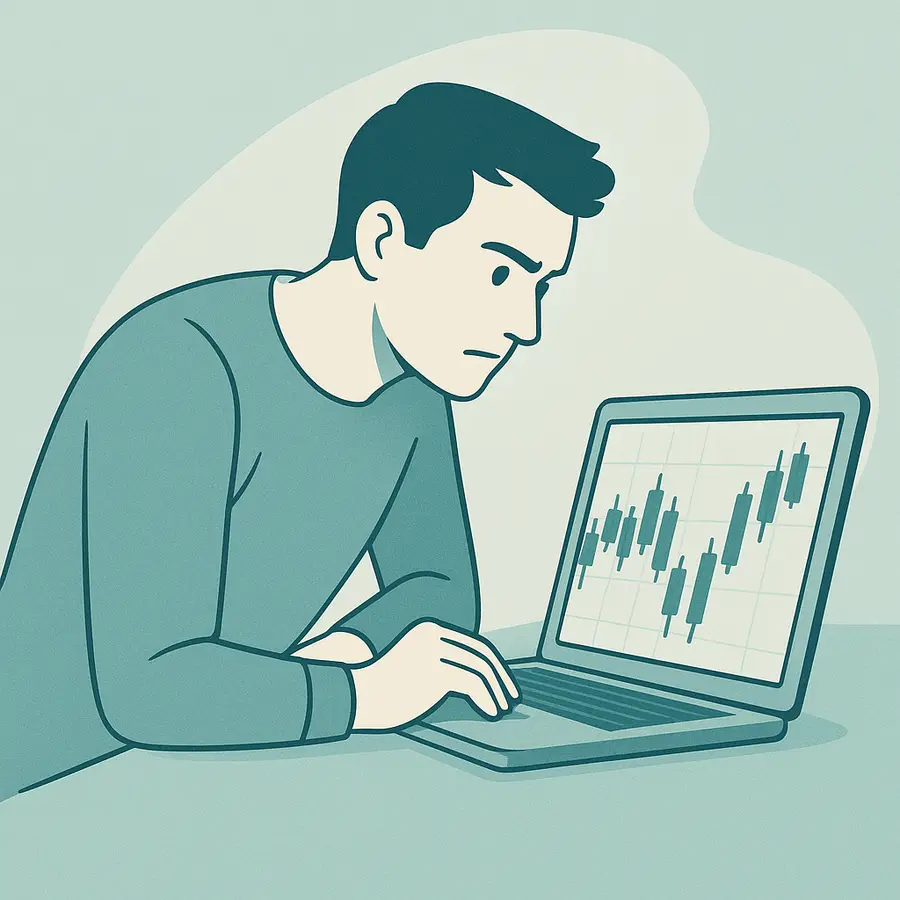
High-impact news is a no-trade condition because sudden repricing can invalidate technical signals within seconds. Trading binary options during high-impact news releases increases randomness because spreads, volatility, and price jumps can invalidate technical signals within seconds.
Next, use a calendar buffer. For example, stop trading 15 minutes before and 15 minutes after Tier-1 events like CPI, NFP, FOMC, and major rate decisions.
Also, news moves are large and fast. A typical U.S. Nonfarm Payrolls surprise can move EUR/USD tens of pips within minutes — Source: Federal Reserve research summaries on high-frequency FX responses, 2020–2023. For example, a 60-second expiry can be decided by a single spike candle.
Earnings and company-specific releases (indices and stocks)
Earnings windows are no-trade periods because single-stock gaps and index weighting effects create unstable index behavior. Earnings-driven index moves can look like “breakouts” but behave like whipsaws.
Next, block the first reaction. For example, avoid trading the first 5–10 minutes after major mega-cap earnings if you trade US100/US500 binaries.
Market opens/closes, rollovers, and daily resets
Opens, closes, and rollovers are no-trade windows because order flow and quoting behavior change abruptly. These mechanics can widen spreads and create jumpy candles.
Next, define your broker’s rollover time. For example, if spreads widen nightly at 5pm New York, set a hard rule: “No trades from 4:55–5:10pm NY.”
Holidays and thin-liquidity days
Holiday liquidity is a no-trade condition because fewer participants increase randomness and exaggerate spreads. Thin markets often “float” through levels without real follow-through.
Next, check the schedule. For example, if London is closed for a bank holiday, you reduce or stop trading EUR and GBP pairs for short expiries.
Strategy & setup red flags (when your system is “out of conditions”)
Setup red flags are objective signs that your strategy’s validated edge is not present right now. If the conditions aren’t there, forcing trades becomes gambling.
Unclear trend or mixed timeframe signals
Mixed signals are a no-trade trigger because conflicting context reduces probability on short expiries. Short timeframes amplify noise, so you need clear higher-timeframe alignment.
Next, require a simple hierarchy. For example, if the 15m trend is up but the 1m is chopping inside a micro-range, you skip until the 1m breaks and holds.
No confluence (single-signal trades)
No confluence is a no-trade condition because single indicators fail more often across regimes. Confluence means at least two independent reasons to take the trade.
Next, define “two reasons.” For example: (1) trend alignment + (2) pullback to a level + (3) candle confirmation—take trades only when at least two are present.
Poor payout-to-risk (bad pricing)
A poor payout is a no-trade signal because it raises your break-even win rate above what your strategy can realistically deliver. If payout drops, your edge shrinks even if your chart read is correct.
Next, use a hard payout floor. For example, if your tested strategy needs 56% wins to profit and the broker payout falls from 85% to 70%, you pause because break-even becomes too high.
Low win-rate time windows (your own data)
A low win-rate time window is a no-trade rule because your journal proves your edge disappears at specific hours. Your results matter more than “general best times.”
Next, tag your sessions. For example, if your last 200 trades show 47% wins between 12:00–14:00 UTC, you block that window and trade only your best hours.
Over-optimized backtests (curve-fit signals)
Over-optimization is a no-trade warning because a strategy that fits the past too perfectly usually breaks in live markets. Overfit systems often look amazing and fail quickly.
Next, sanity-check the logic. For example, if your “perfect” settings only work on one asset and one month, you treat it as unvalidated and avoid trading it live.
Trader-state & process mistakes to avoid (your “hard stop” rules)
Trader-state no-trade rules are conditions where your decision quality drops enough that even a good strategy becomes risky. Your mindset is part of execution.
Revenge trading and loss-chasing
Revenge trading is a no-trade state where you increase frequency or stake to “get it back.” This state creates rushed entries and broken rules.
Next, use a concrete circuit breaker. For example, after 2 losses in a row, you take a 15-minute break and must re-check your checklist before any next trade.
Also, loss spirals are common under stress. Sleep restriction can impair attention and decision-making — Source: CDC, 2024. For example, trading tired increases your odds of clicking late, misreading candles, and ignoring your news filter.
FOMO (fear of missing out)
FOMO is a no-trade trigger because you enter after the move, not at your signal. Late entries are especially deadly on 60s–2m expiries.
Next, apply a “missed trade rule.” For example: “If the signal candle already closed, I skip and wait for the next setup.”
Fatigue and distraction
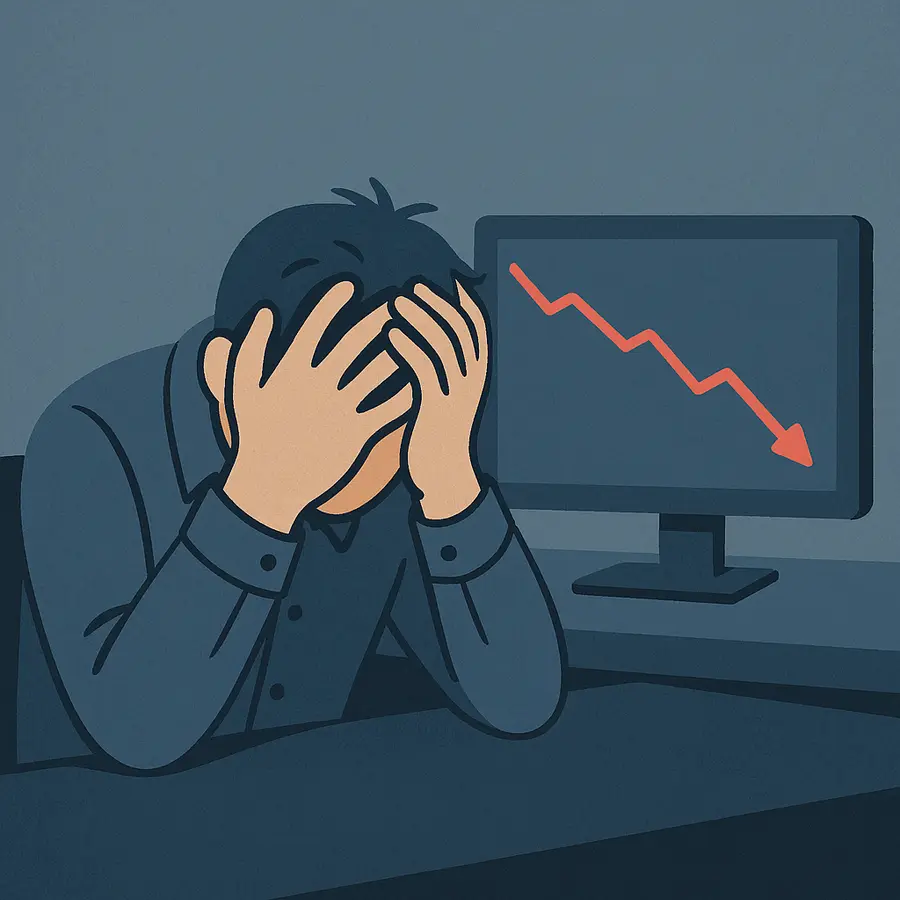
Fatigue is a no-trade condition because reaction time and rule adherence degrade. Binary options require precise timing and consistent process.
Next, set a maximum session length. For example, trade two 45-minute blocks per day instead of a 4-hour marathon.
“Must trade” mentality and martingale escalation
A must-trade mindset is a no-trade condition because it shifts your goal from quality to activity. Martingale escalation compounds the same mistake with larger stakes.
Next, write a non-negotiable rule. For example: “No martingale, ever,” and “Max 3 trades per session.”
Decision tree: should you trade right now?
A no-trade decision tree is a fast yes/no sequence that blocks trades before you analyze signals too deeply. Use it exactly in this order:
Is high-impact news within ±15 minutes?
Yes → NO TRADE
No → continue
Are spreads/quotes normal for this asset right now?
No (spread spike/slippage) → NO TRADE
Yes → continue
Is volatility acceptable (ATR not at regime low)?
No (low-vol chop) → NO TRADE
Yes → continue
Is the market structure readable (trend or clean range edges)?
No (whipsaw mid-range) → NO TRADE
Yes → continue
Does your setup meet validated rules + confluence + payout floor?
No → NO TRADE
Yes → continue
Are you calm, focused, and within daily limits?
No → NO TRADE
Yes → TRADE (one position only)
Tools, checklists, and practical examples
Binary options no-trade tools are simple filters—calendar, volatility, spread checks, and a written checklist—that prevent low-quality entries. Use tools to reduce willpower dependence.
Volatility check (ATR)
ATR is a volatility tool that helps you avoid low-energy markets. You can use ATR(14) on your trading timeframe and compare it to recent history.
Next, set a rule you can follow. For example: “Trade only when ATR(14) is above the 20-period median.”
Economic calendar (news filter)
An economic calendar is a scheduling tool that flags high-impact events that distort price action. Use an official or widely trusted source.
Next, choose one primary calendar and stick to it. For example, use Forex Factory, Investing.com, or your broker’s built-in calendar, and mark Tier-1 events in advance.
Also, this sentence is citation-ready: “Use an economic calendar to avoid trading during scheduled high-impact events; major releases often cause abrupt repricing and unstable execution.”
Spread/quote monitor (execution filter)
A spread monitor is an execution tool that helps you avoid widened pricing and unstable fills. If your platform doesn’t show spreads clearly, use a parallel chart feed from a reputable source.
Next, define “abnormal” with numbers. For example, keep a sticky note: “Normal EUR/USD 1.0–1.4 pips; no trades above 2.0.”
Screenshot journaling (proof of conditions)
Screenshot journaling is a process tool that exposes patterns behind your best and worst trades. Screenshots turn vague feelings into measurable filters.
Next, capture two types of images. For example: (1) a winning trade in clean structure and (2) a losing trade in chop, then tag each as “trend,” “range edge,” or “noise.”
Printable “Do Not Trade If…” checklist
A “Do Not Trade If…” checklist is a one-page rule set that prevents impulsive entries. Print it or pin it next to your monitor.
Do NOT trade if:
High-impact news is within ±15 minutes
Spread/quotes are wider than your normal threshold
ATR/volatility is at a regime low (no follow-through)
The chart is choppy (multiple failed breaks + whipsaws)
Price is in the middle of a range (no edge)
Your setup lacks confluence (only one weak signal)
Payout is below your tested payout floor
You’ve hit your daily loss limit or feel angry/anxious
You’re tired, distracted, or trying to “make back” losses
What’s next: build your personal no-trade plan
A personal no-trade plan is a written set of daily limits, session times, and stop rules that you follow regardless of how “tempting” the chart looks. The plan turns discipline into a system.
Next, implement three rules today:
Daily loss limit: Stop for the day at -3R (or 3 losing trades), whichever comes first. For example, if 1R = 1% stake, stop at -3%.
Scheduled sessions only: Trade two fixed windows you’ve tested. For example, London mid-session and early New York, and avoid transitions.
Journal tags + reminders: Tag every skipped trade as “no-trade news,” “no-trade chop,” or “no-trade mindset,” then set platform alarms to enforce breaks.
Then, automate friction where possible. For example, set a phone timer that forces a 10-minute cooldown after two consecutive losses, and keep your checklist as the first tab you see.
Conclusion
When NOT to trade binary options is a rule-based decision that blocks low-probability environments before you risk money. You protect your bankroll by avoiding low volatility, choppy structure, bad execution, news turbulence, weak setups, and unstable mindset states.
Finally, remember this: discipline beats frequency in short-expiry trading. You don’t get paid for being active—you get paid for being selective.
Diagnose Your #1 Trading Mistake — Free
Answer 10 diagnostic questions and instantly find out which trading mistake is costing you the most — with a personalised 3-page correction plan PDF.
- Identifies your primary trading mistake
- Personalised 4-step correction plan
- 3-page PDF emailed to you free
What you'll discover:
-
Revenge Trading
Are you chasing losses?
-
Overtrading
Too many trades per day?
-
Emotional Trading
Feelings overriding logic?
Free. No sign-up required. PDF sent to your email.